Case Study: Retrofitting for a Greener Future
As the world increasingly turns its focus toward sustainability, retrofitting mid-century modern homes presents an opportunity to merge aesthetic value with energy efficiency. In this article, we explore practical retrofitting techniques that not only enhance the sustainability of these homes but also preserve their architectural charm.
Understanding the Importance of Retrofitting
Retrofitting involves updating existing buildings with new technologies or systems to improve their energy performance. Research indicates that retrofitting can reduce energy consumption by 30-50%, making it a viable solution for homeowners wishing to lower their environmental impact.
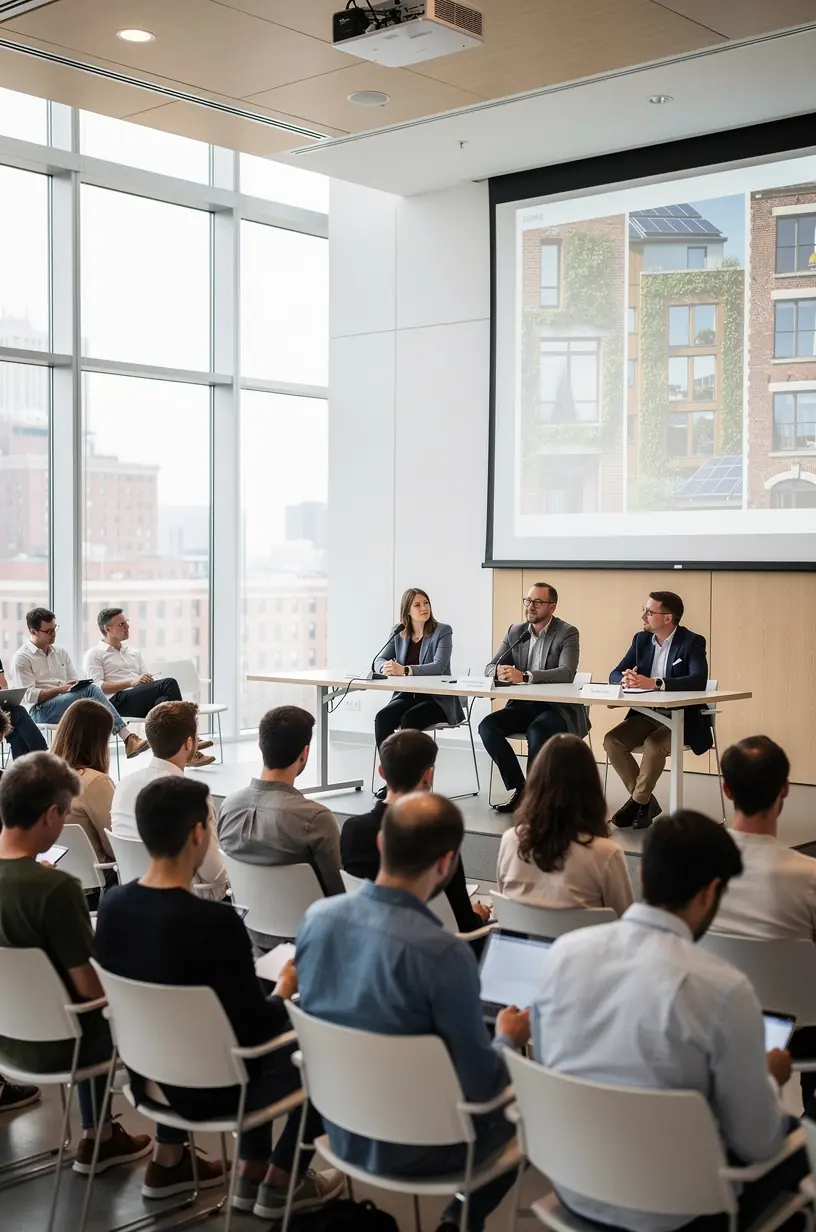
"By retrofitting, we not only conserve energy but also extend the lifespan of historical structures." - Dr. Sarah Thompson, Architect and Sustainability Expert
Key Techniques for Effective Retrofitting
1. Insulation Upgrades
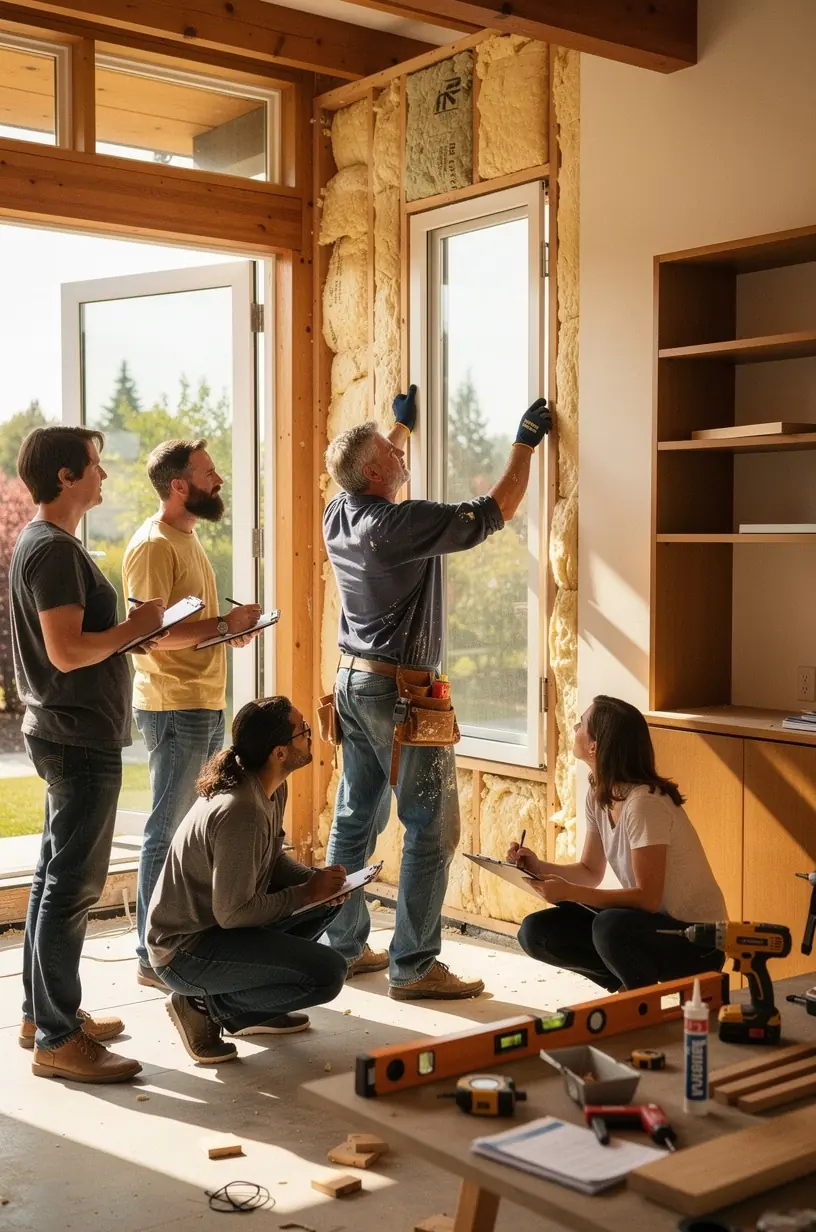
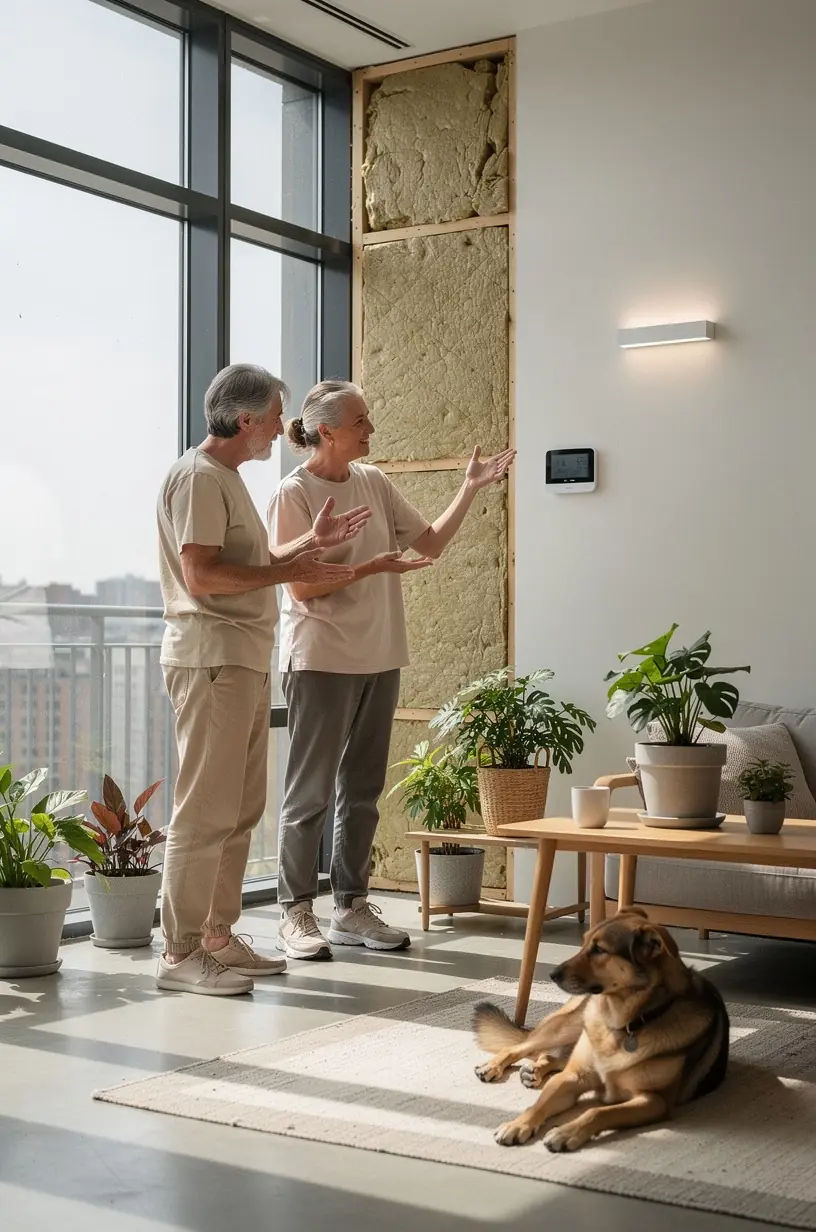
One of the most impactful changes is enhancing insulation. Many mid-century modern homes feature insufficient insulation, leading to energy loss. Experts recommend using materials like spray foam or cellulose, which can be installed in walls and attics. These materials typically improve thermal resistance and reduce heating and cooling costs.
2. Window Replacement
Replacing single-pane windows with double or triple-glazed options can significantly improve a home’s energy efficiency. This upgrade not only minimizes heat loss but also enhances sound insulation. Studies show that energy-efficient windows can contribute to a reduction in energy bills by up to 15%.
3. Renewable Energy Integrations
Integrating renewable energy sources, such as solar panels, is increasingly popular among homeowners. Research suggests that solar retrofitting can provide long-term savings while contributing to a sustainable energy future. Moreover, many states offer incentives for homeowners who transition to solar energy.
Practical Steps for Homeowners
- Conduct an Energy Audit: Identify areas where your home may be losing energy.
- Set a Budget: Although retrofitting can require initial costs, many upgrades lead to long-term savings through decreased energy bills.
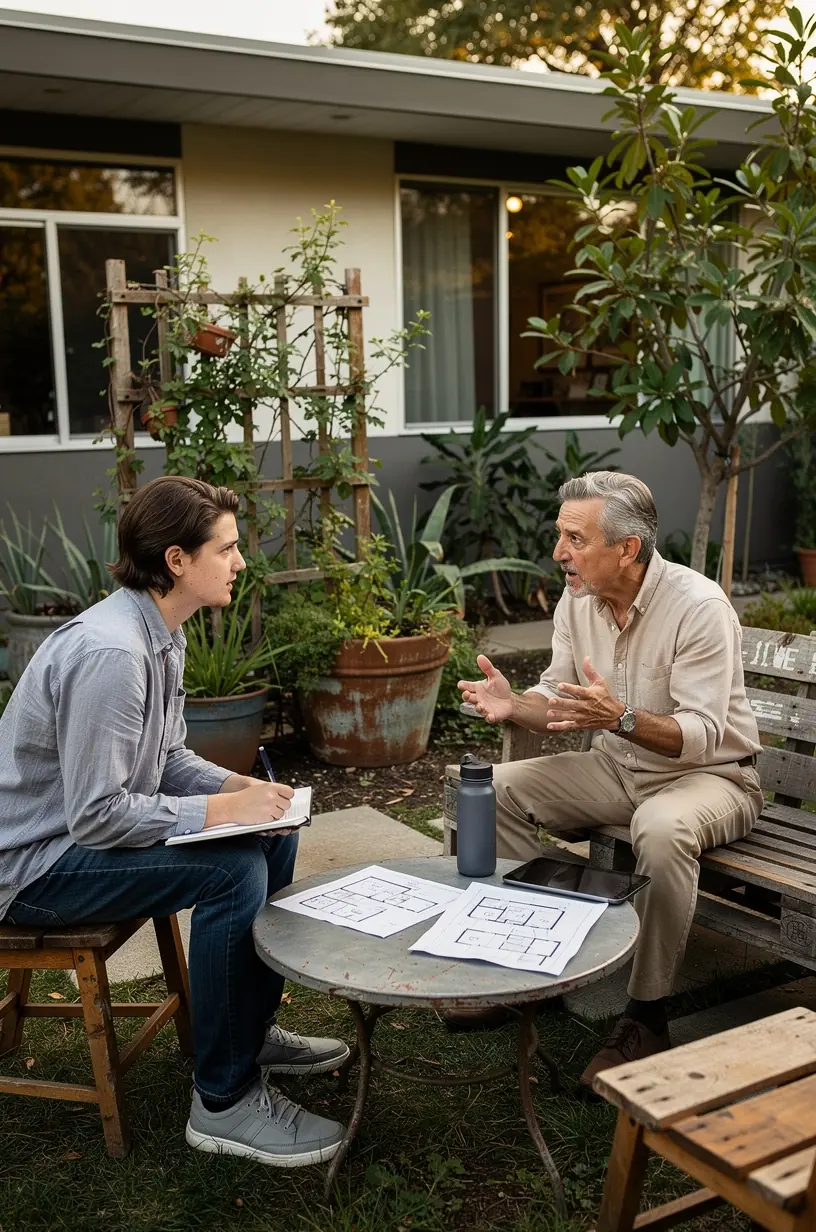
- Consult with Professionals: Working with architects who specialize in sustainable design can help you execute a plan that respects both the environment and the original architecture.
Conclusion
Retrofitting mid-century modern homes is an effective way to embrace sustainability without sacrificing aesthetic value. By considering the techniques outlined above, homeowners can contribute to a greener future while enhancing the livability of their spaces. Remember, making informed choices today can lead to substantial energy savings and environmental benefits in the long run.