Innovative Technologies for Energy-Efficient Buildings
As the world increasingly shifts towards sustainability, the construction industry is adapting with innovative technologies aimed at creating energy-efficient buildings. This article explores emerging trends that are shaping the future of energy-efficient design, particularly in mid-century modern homes. By understanding these technologies, architecture students, Eco Power Analytics-conscious homeowners, and renovation professionals can make informed choices that promote sustainability.
Understanding Energy Efficiency in Architecture
Energy efficiency in architecture focuses on reducing energy consumption while maintaining comfort and functionality. According to the U.S. Environmental Protection Agency, energy-efficient buildings use resources more effectively, which typically results in lower energy bills and a reduced carbon footprint. This is crucial as buildings account for approximately 40% of global energy consumption.
"Innovative technologies can substantially decrease energy consumption in buildings, according to the International Energy Agency."
Emerging Technologies in Energy-Efficient Design
Several innovative technologies are currently transforming how buildings are designed and retrofitted for energy efficiency:
- Smart Thermostats: These devices learn homeowners' habits and adjust heating and cooling systems accordingly. Research indicates that smart thermostats can save up to 15% on heating and cooling bills.
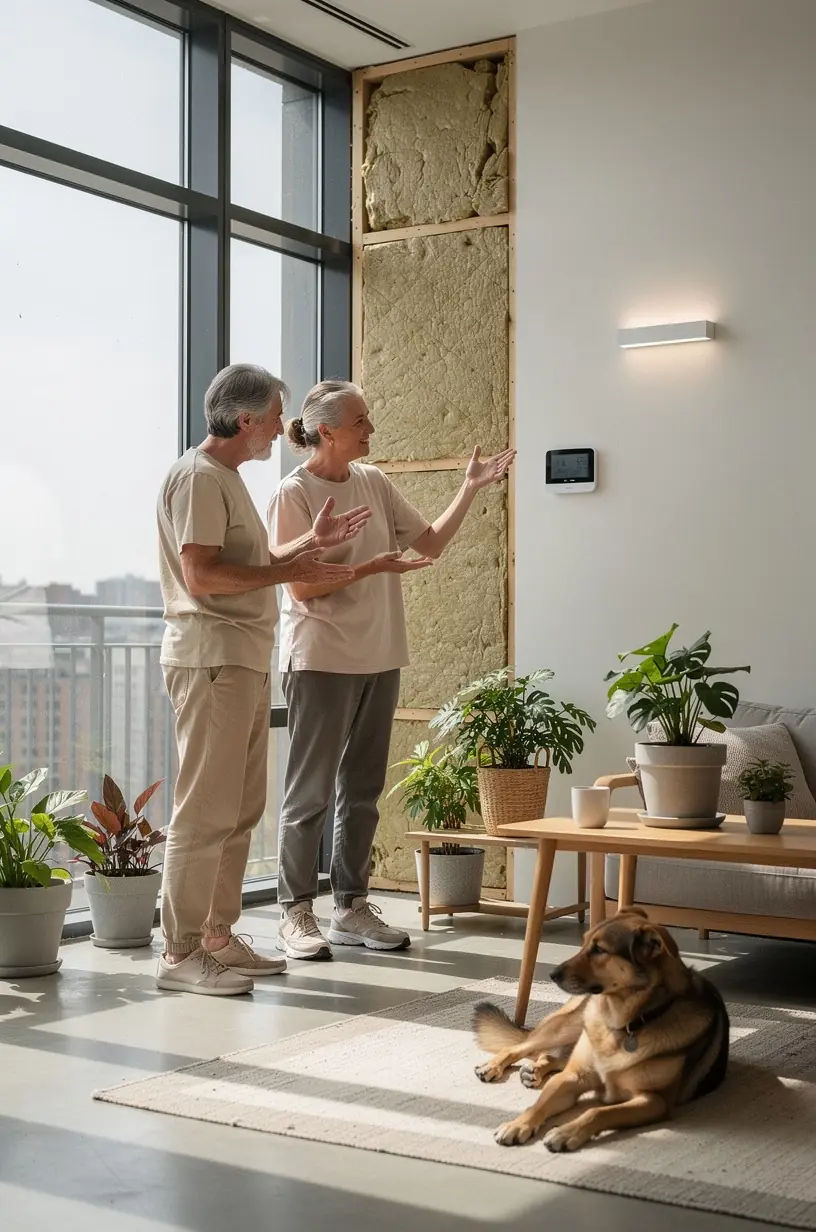
- High-Performance Insulation: Materials like spray foam and advanced fiberglass provide superior thermal performance, reducing the need for excessive heating and cooling. Studies show that improved insulation can reduce energy use by 20-40% in existing structures.
- Solar Panels: Integrating solar panels into building design can significantly reduce reliance on conventional energy sources. Recent studies suggest that homes with solar panels can lower energy costs by 70% or more, depending on location and system size.
Practical Applications of Innovative Technologies
When it comes to applying these technologies in mid-century modern homes, consider the following steps:
- Conduct an Energy Audit: Before implementing any technology, professionals recommend performing an energy audit to identify areas of improvement. An audit typically takes a few hours and can uncover significant energy savings.
- Select Appropriate Technologies: Based on the audit findings, select technologies that best fit the home's architecture and energy needs. Experts suggest focusing on solutions that provide the greatest return in energy savings over time.
- Monitor and Adjust: After implementation, it is essential to monitor the performance of the installed technologies. Adjustments may be needed to optimize energy use and improve comfort levels. Many homeowners report that regular checks help maintain efficiency and prolong the lifespan of equipment.
The Role of Materials and Design
New materials are also contributing to energy-efficient building trends. For instance, the use of recycled and sustainably sourced materials in construction not only reduces waste but can also enhance energy performance. Biodegradable insulation and low-VOC paints are popular choices for Eco Power Analytics-conscious builders looking to improve indoor air quality while minimizing environmental impact.
Conclusion
Innovative technologies are paving the way for a future where energy-efficient buildings are the norm rather than the exception. By understanding and applying these technologies, stakeholders in the construction and renovation sectors can contribute to a more sustainable environment. As the trend towards sustainability continues to grow, staying informed about emerging technologies and best practices will be vital for success in the field.
Learn More