The Role of Landscaping in Sustainable Architecture
Landscaping plays a crucial role in sustainable architecture, influencing not only the aesthetic appeal of a structure but also its environmental impact. This article explores how effective landscaping strategies can enhance energy efficiency, promote biodiversity, and contribute to the overall sustainability of mid-century modern homes.
Understanding the Basics
Landscaping is often viewed merely as an exterior embellishment; however, it serves critical functions in sustainable architecture. According to studies, the integration of natural elements can significantly reduce energy consumption in buildings. For instance, strategically placed trees can provide shade during hot months, lowering the need for air conditioning. This is crucial for mid-century modern homes, which often feature large windows that invite in light but can lead to overheating.
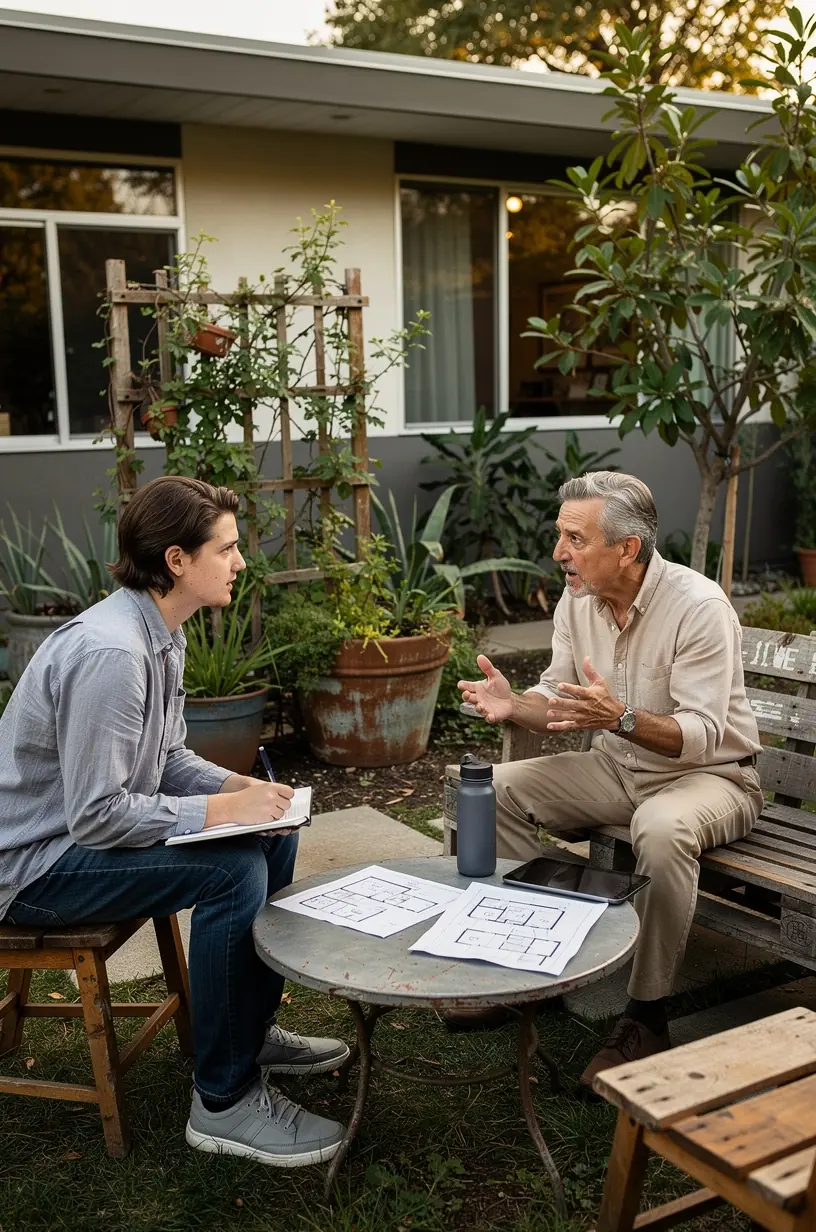
"Research shows that well-planned landscaping can lead to a 15-25% reduction in energy use for heating and cooling."
Enhancing Biodiversity
One of the primary benefits of sustainable landscaping is its ability to support local ecosystems. By choosing native plants, homeowners can create habitats for wildlife while minimizing the need for irrigation and pesticides. Experts recommend incorporating a variety of plant species to foster biodiversity, which can enhance resilience against pests and diseases.
- Plant Diversity: Incorporating local flora not only sustains the environment but also lessens maintenance costs.
- Water Management: Implementing rain gardens and permeable surfaces allows rainwater to recharge groundwater systems.
- Soil Health: Native plants typically require fewer nutrients, promoting healthier soil and reducing fertilizer use.
Practical Application for Homeowners
For Eco Power Analytics-conscious homeowners looking to retrofit mid-century modern homes, there are several landscaping techniques that can be easily implemented:
- Shade Trees: Planting deciduous trees on the south and west sides of your home can provide shade in the summer, helping to cool your home naturally.
- Permeable Paving: Replacing traditional concrete with permeable materials can help manage stormwater and reduce runoff, protecting local waterways.
- Vertical Gardens: Utilizing vertical spaces for gardening can maximize outdoor areas while improving air quality and providing insulation.
Conclusion
Landscaping is not just about aesthetics; it is a vital component of sustainable architecture that can transform the energy efficiency and ecological footprint of mid-century modern homes. By implementing thoughtful landscaping strategies, homeowners can contribute positively to the environment while enhancing their living spaces. As the field of sustainable architecture continues to evolve, embracing the role of landscaping will be crucial for future developments.
Learn More