Understanding Passive Design in Architecture
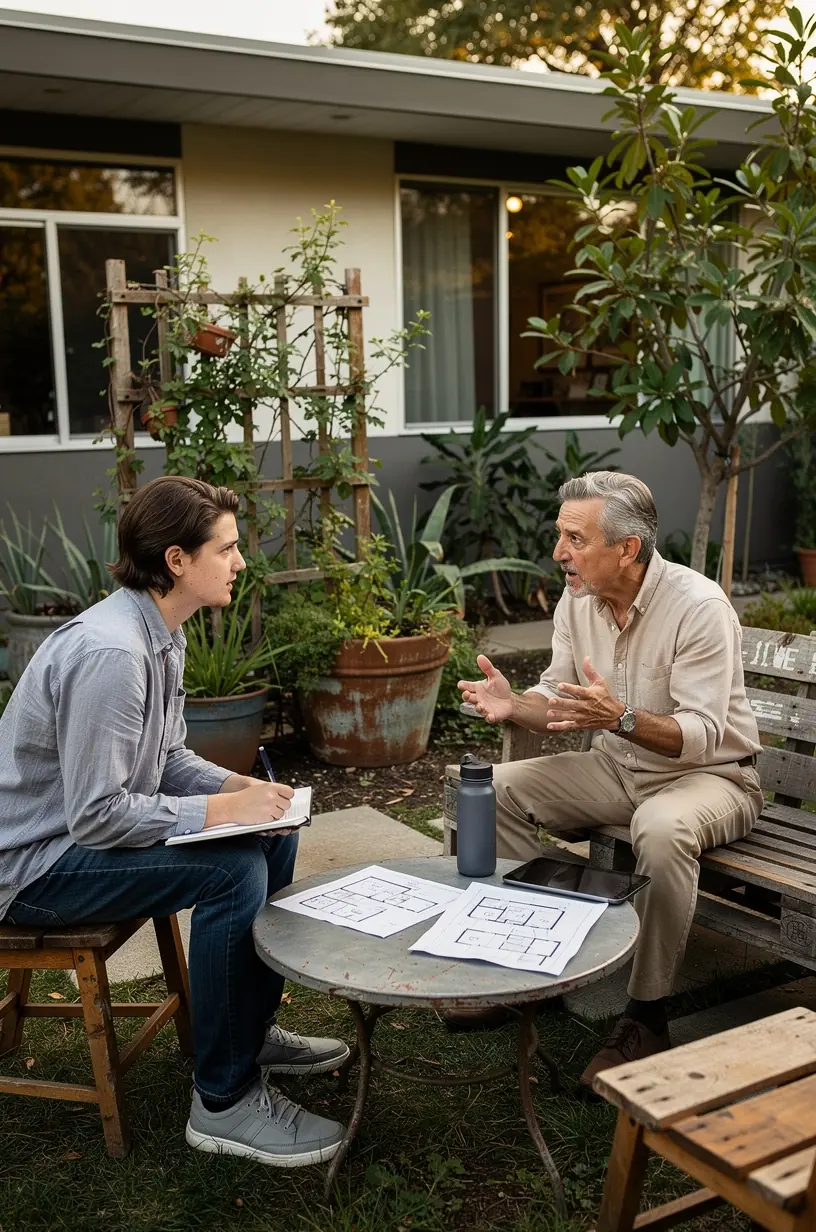
Passive design principles offer a sustainable approach to architecture that minimizes energy consumption while maximizing comfort. This article explores the key elements of passive design, its benefits, and practical applications for mid-century modern homes.
Understanding Passive Design Principles
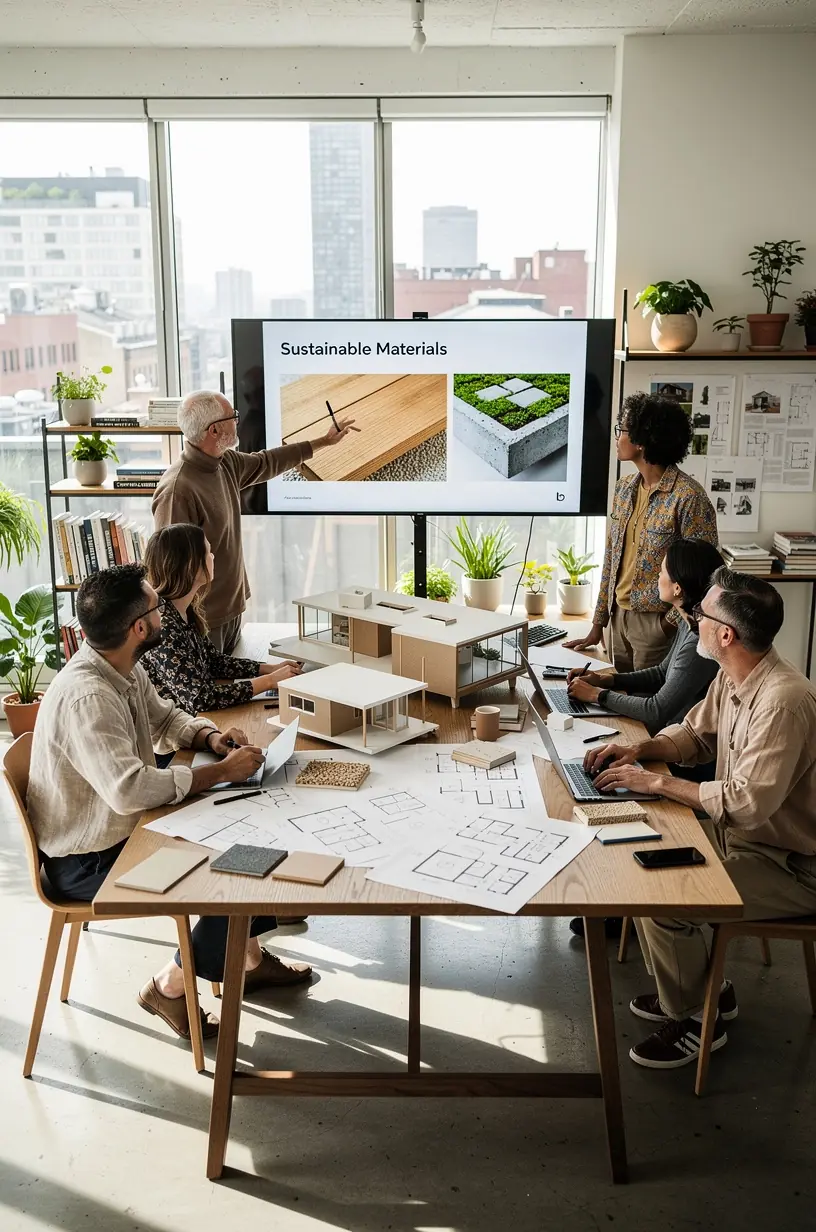
Passive design refers to the strategic use of building orientation, materials, and thermal mass to enhance natural heating, cooling, and lighting in a home. According to research by the U.S. Department of Energy, homes designed with passive principles can significantly reduce energy consumption by up to 50% compared to conventional designs.
Key Components of Passive Design
- Site Orientation: Positioning a building to take advantage of sunlight and prevailing winds can enhance energy efficiency.
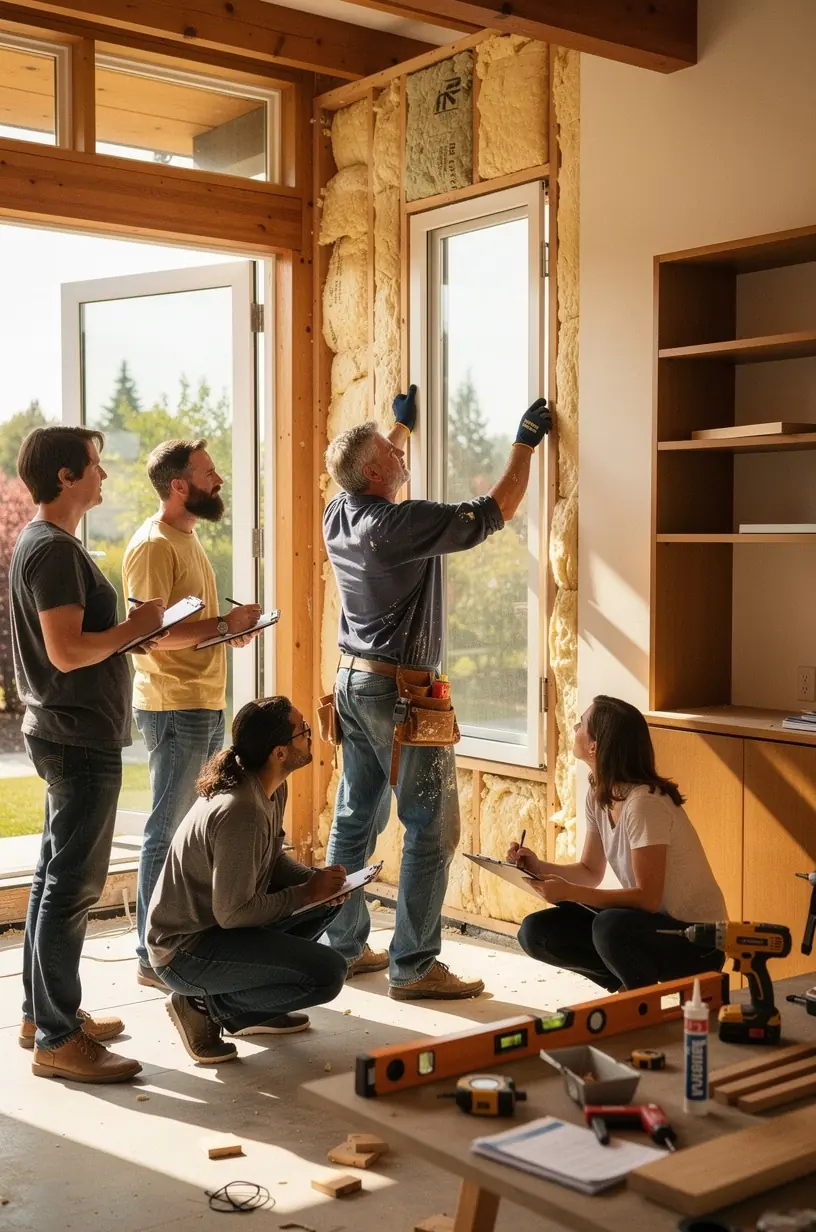
- Insulation: High-quality insulation helps maintain temperature, reducing the need for mechanical heating and cooling.
- Thermal Mass: Materials like concrete or stone can absorb and store heat, releasing it slowly throughout the day.
- Natural Ventilation: Designing for cross-ventilation can help cool spaces without relying on air conditioning.
- Daylighting: Utilizing windows and skylights effectively can reduce reliance on artificial lighting.
"The essence of passive design is to use nature's resources wisely and sustainably, enhancing both comfort and energy efficiency." – Architecture Review
Benefits of Implementing Passive Design
The advantages of passive design extend beyond energy savings:
- Increased Comfort: Homes that utilize passive design techniques often maintain a more stable indoor temperature.
- Reduced Environmental Impact: By minimizing energy use, passive design contributes to lower greenhouse gas emissions.
- Cost Savings: Although initial construction may require careful planning, the long-term savings on energy bills can be substantial.
Practical Steps for Retrofitting Mid-Century Modern Homes
For homeowners and renovation professionals looking to incorporate passive design into mid-century modern homes, consider the following steps:
- Assess Current Conditions: Analyze your home’s existing orientation, insulation, and thermal performance. This typically involves a professional energy audit.
- Enhance Insulation: Upgrade to higher R-value insulation to improve thermal performance. This process usually requires some investment of time and resources.
- Install Energy-Efficient Windows: Consider replacing single-pane windows with double or triple-glazed options to reduce heat transfer.
- Incorporate Natural Elements: Use landscaping to create windbreaks or shade, which can help regulate indoor temperatures.
- Monitor and Adjust: After making changes, closely monitor the home's energy usage and comfort levels to identify further improvements.
Conclusion
Understanding and implementing passive design principles can transform mid-century modern homes into energy-efficient spaces that are both comfortable and environmentally friendly. While the process requires careful planning and execution, the benefits of reduced energy use and increased comfort make it a worthy endeavor for architects, homeowners, and renovation professionals. By embracing passive design, we contribute to a sustainable future for our built environment.