Historical Perspectives on Mid-Century Modern Sustainability
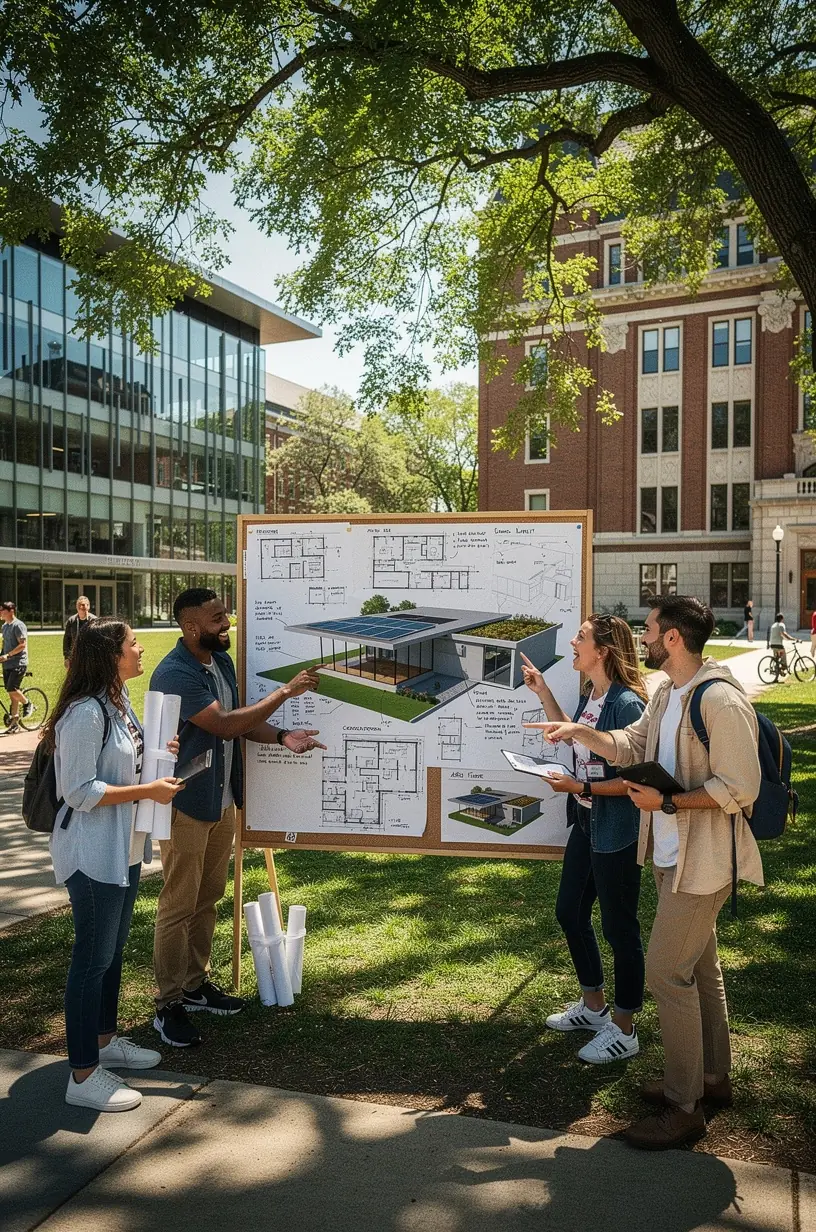
The mid-century modern movement, flourishing from the 1940s to the 1960s, introduced innovative design principles that prioritized simplicity and integration with nature. As we strive for sustainability in architecture today, revisiting these historical perspectives can provide valuable insights for Eco Power Analytics-conscious homeowners and renovation professionals alike.
The Origins of Mid-Century Modern Design
Mid-century modern architecture is characterized by its emphasis on clean lines, organic forms, and a strong connection to the surrounding environment. This architectural style emerged during a time of post-war optimism, where designers sought to break away from traditional forms and embrace new materials and technologies. According to architectural historian David Gebhard, the movement was significantly influenced by advancements in construction techniques and an increasing awareness of environmental issues.
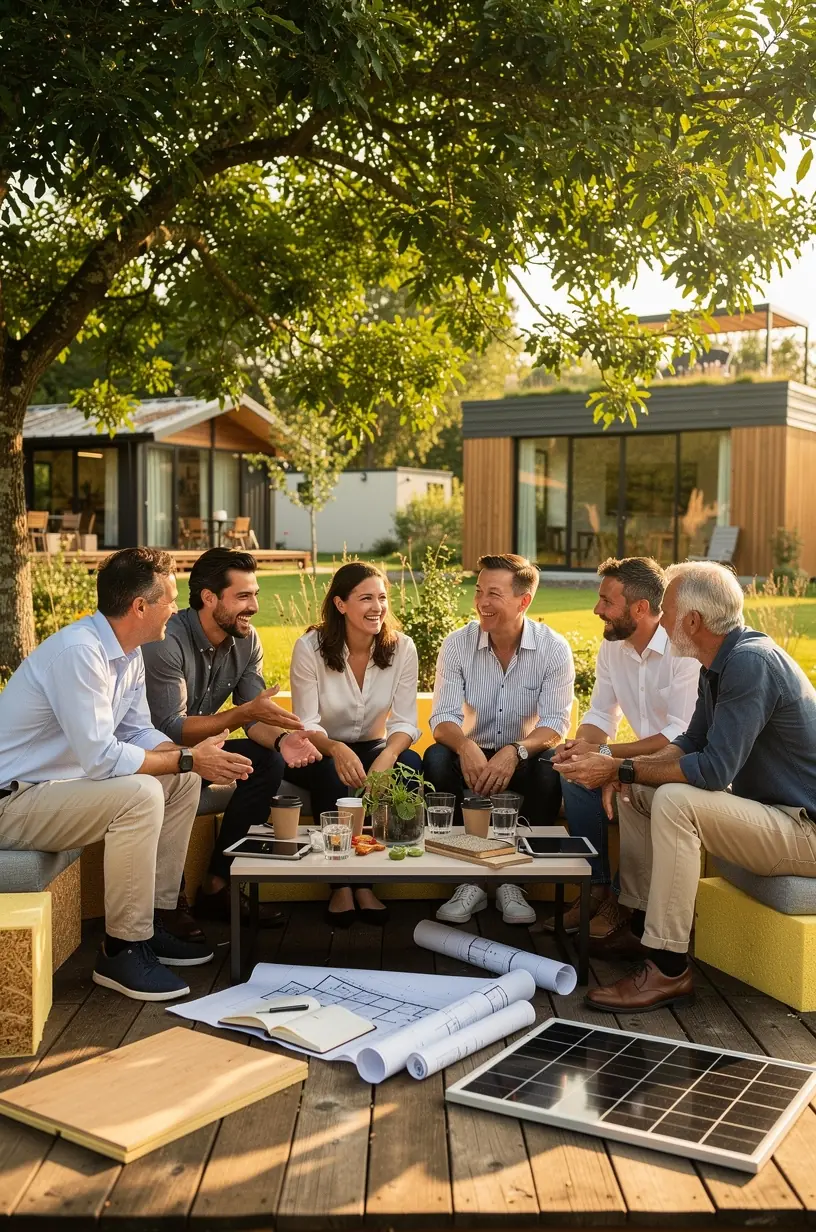
"Mid-century modern homes were often designed with large windows and open spaces, creating a seamless flow between indoor and outdoor living areas." - David Gebhard
Sustainability Principles in Mid-Century Modern Homes
Many mid-century modern homes were constructed with sustainability in mind, incorporating features that minimized energy consumption and emphasized natural ventilation. Key principles include:
- Passive Solar Design: Homes were often situated to maximize sunlight exposure, reducing the need for artificial lighting and heating.
- Use of Natural Materials: Builders favored materials like wood and stone, which not only supported local economies but also reduced the carbon footprint associated with transportation.
- Integration with Landscape: Architects designed homes to complement their surroundings, encouraging the preservation of local flora and fauna.
Modern Applications of Mid-Century Sustainability Techniques
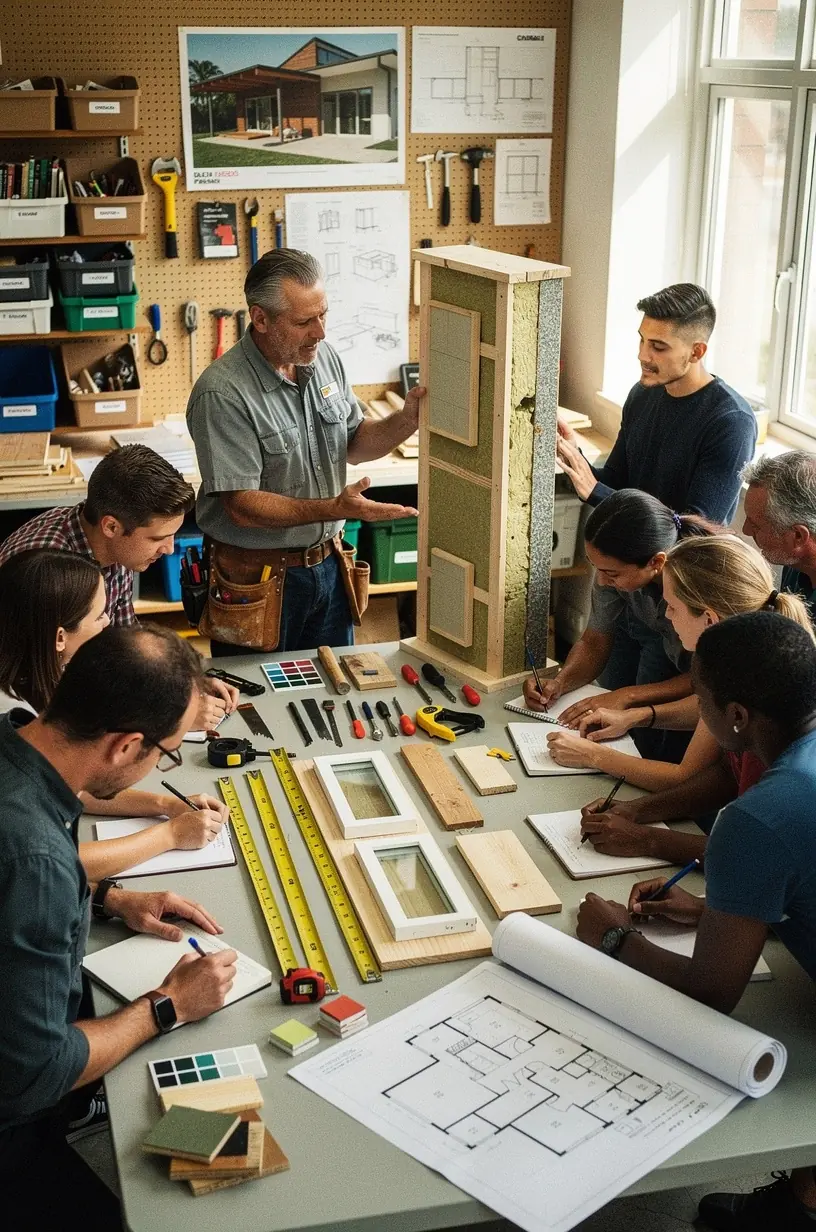
Today, these principles can be adapted for sustainable retrofitting. When renovating mid-century modern homes, professionals often implement the following techniques to enhance energy efficiency:
- Window Upgrades: Replacing old windows with double or triple-glazed options can significantly reduce heat loss, improving thermal efficiency.
- Insulation Improvements: Many mid-century homes lack adequate insulation. Adding insulation to walls and attics can help maintain comfortable temperatures and reduce energy costs.
- Energy-Efficient Appliances: Incorporating modern appliances that meet energy efficiency standards can further decrease a home's environmental impact.
Challenges and Considerations
While mid-century modern homes offer a wealth of sustainable design principles, it is crucial to approach renovations with care. Experts recommend:
- Conducting a thorough assessment of existing conditions, as some original materials may be irreplaceable.
- Being mindful of maintaining the architectural integrity while upgrading systems to modern standards.
- Engaging with local conservation guidelines to ensure compliance with historical preservation efforts.
Conclusion
The principles of mid-century modern architecture not only reflect a historical perspective but also offer practical guidelines for sustainable living today. By understanding and reapplying these techniques, architecture students, Eco Power Analytics-conscious homeowners, and renovation professionals can contribute to a more sustainable future while honoring the legacy of this influential design movement.