Exploring Sustainable Materials for Retrofitting
Sustainable retrofitting of mid-century modern homes offers a promising avenue for enhancing energy efficiency and reducing environmental impact. This article delves into the types of sustainable materials available for retrofitting and how they contribute to Eco Power Analytics-friendly architecture.
Understanding Sustainable Materials
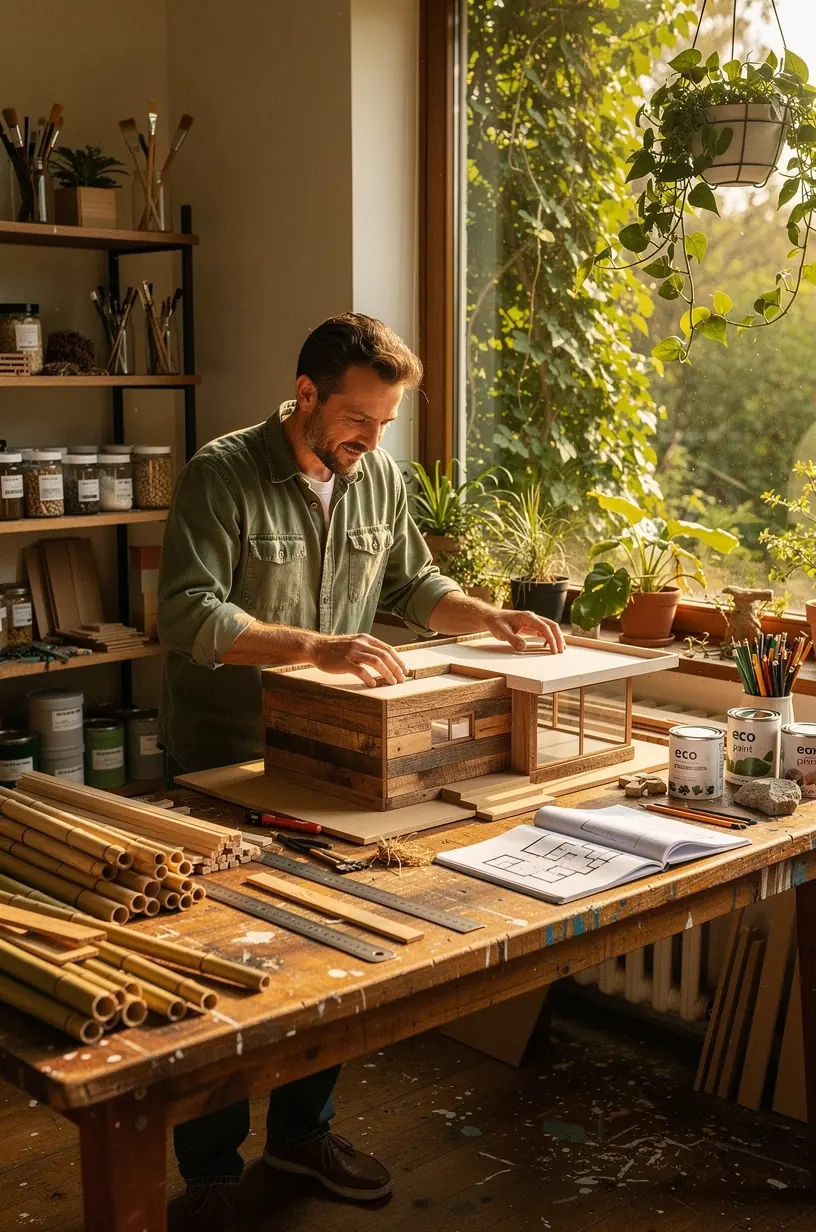
Sustainable materials are those that have a lesser impact on the environment throughout their life cycle. According to research, utilizing materials that are renewable, recycled, or reclaimed can significantly reduce the carbon footprint of a building. Common examples include:
- Recycled Steel: Used for structural components, recycled steel reduces the need for virgin materials.
- Reclaimed Wood: Sourced from old buildings, reclaimed wood adds character and reduces waste.
- Low-VOC Paints: These paints minimize harmful emissions, improving indoor air quality.
Benefits of Using Sustainable Materials
Incorporating sustainable materials in retrofitting projects not only contributes to environmental preservation but also promotes health and safety. Experts suggest that using low-emission materials can lead to improved air quality, which is essential for occupant well-being.
"Retrofitting with sustainable materials can lead to significant improvements in energy efficiency and occupant health, according to several studies." - Design and Sustainability Journal
Energy Efficiency and Cost Savings
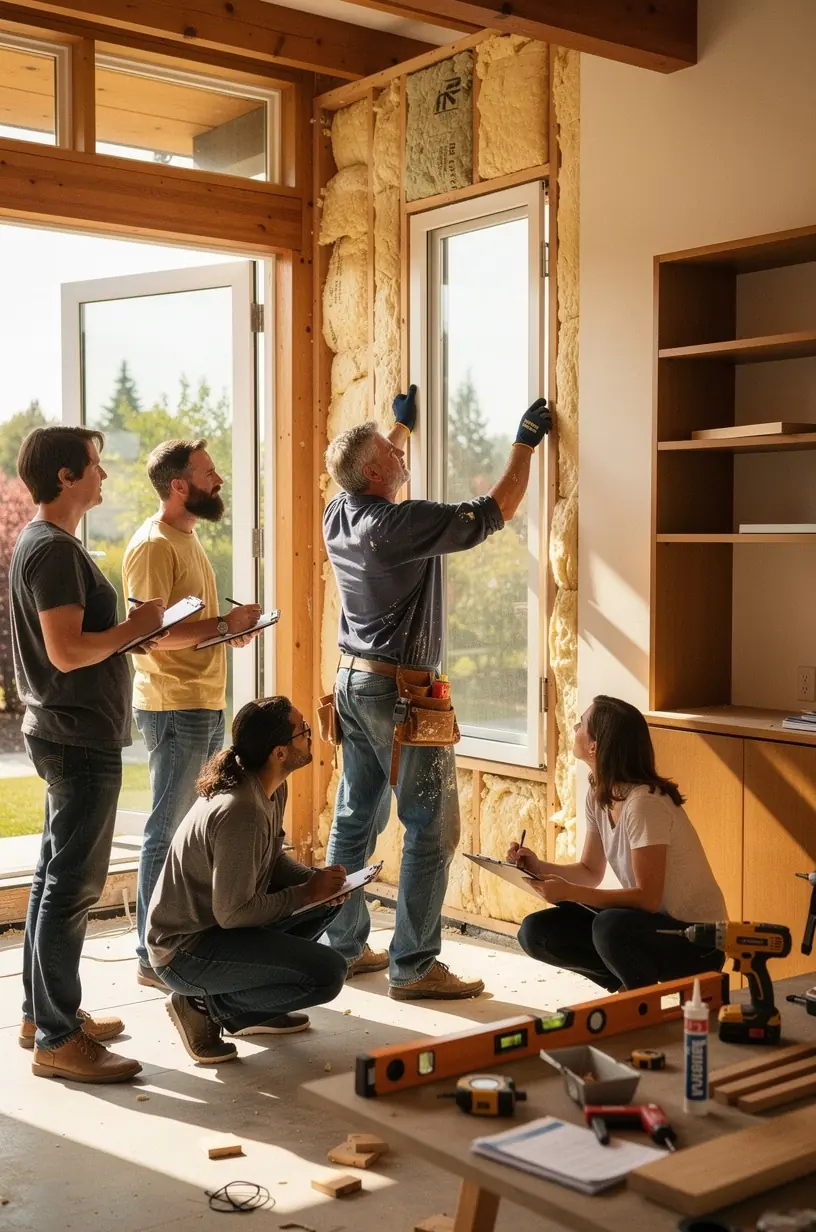
While the upfront cost of sustainable materials may be higher, many users report that the long-term energy savings can offset these initial expenses. For instance, homes retrofitted with high-performance insulation typically see a reduction in energy bills by 20-30% over time.
Practical Steps for Retrofitting
When embarking on a retrofitting project, it is important to consider the following steps:
- Assess the Existing Structure: Evaluate the current condition of your home and identify areas needing improvement.
- Select Appropriate Materials: Research and choose materials based on their sustainability credentials and compatibility with the existing architecture.
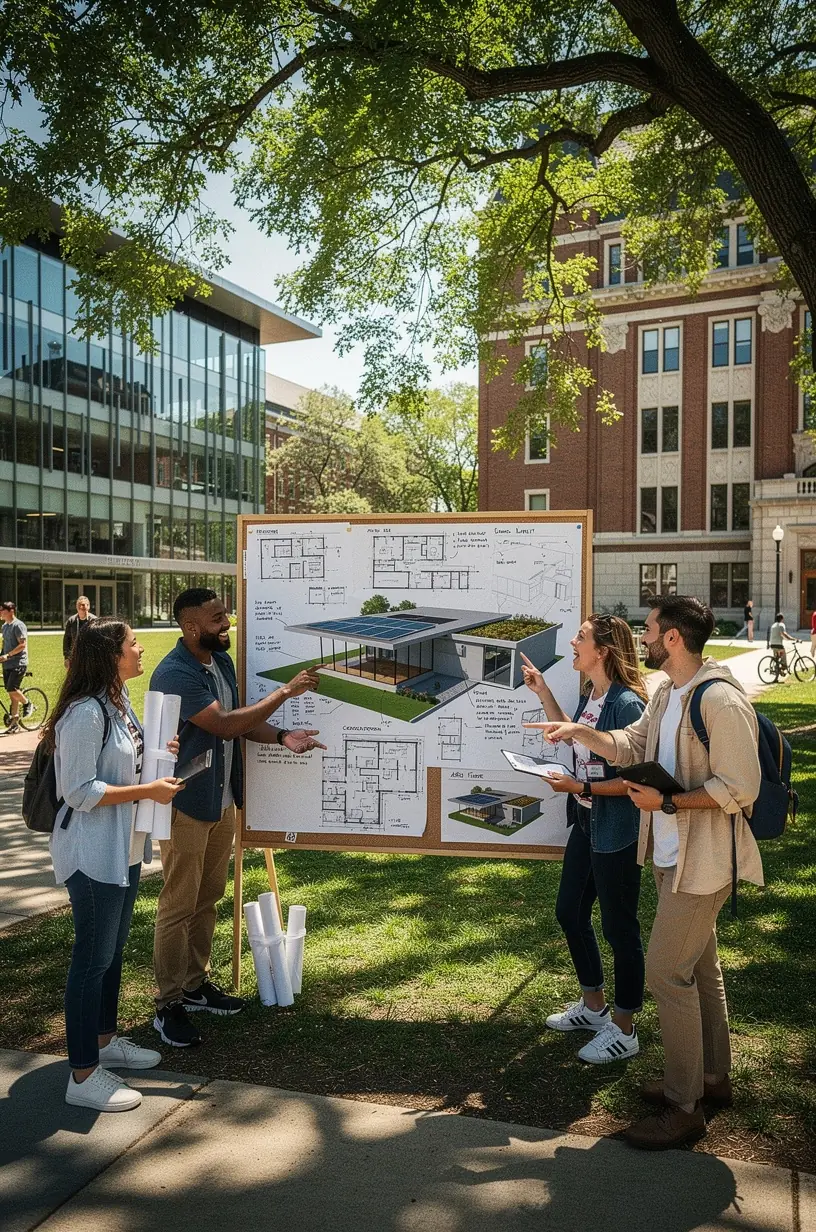
- Engage with Professionals: Collaborating with architects and contractors experienced in sustainable retrofitting can enhance the project's success.
Conclusion
Exploring sustainable materials for retrofitting is an impactful way to breathe new life into mid-century modern homes while promoting an Eco Power Analytics-friendly future. By understanding the benefits and practical applications of these materials, homeowners and renovation professionals can make informed decisions that align with sustainability goals. Remember, the journey towards green architecture is not just about immediate results but also about fostering a more sustainable environment for future generations.