How to Enhance Energy Efficiency in Mid-Century Homes
Mid-century modern homes are celebrated for their design and aesthetic appeal, but many of these homes were built before energy efficiency standards were a priority. Fortunately, there are numerous sustainable retrofitting techniques that can enhance their energy efficiency while preserving their unique character. This article explores practical strategies and insights for homeowners, architecture students, and renovation professionals.
Understanding the Basics of Energy Efficiency
Energy efficiency in homes refers to the effective use of energy to provide comfort and functionality without unnecessary waste. According to studies, enhancing energy efficiency can reduce energy consumption by 20-30% in similar contexts. Key areas to consider include insulation, windows, heating, and cooling systems.
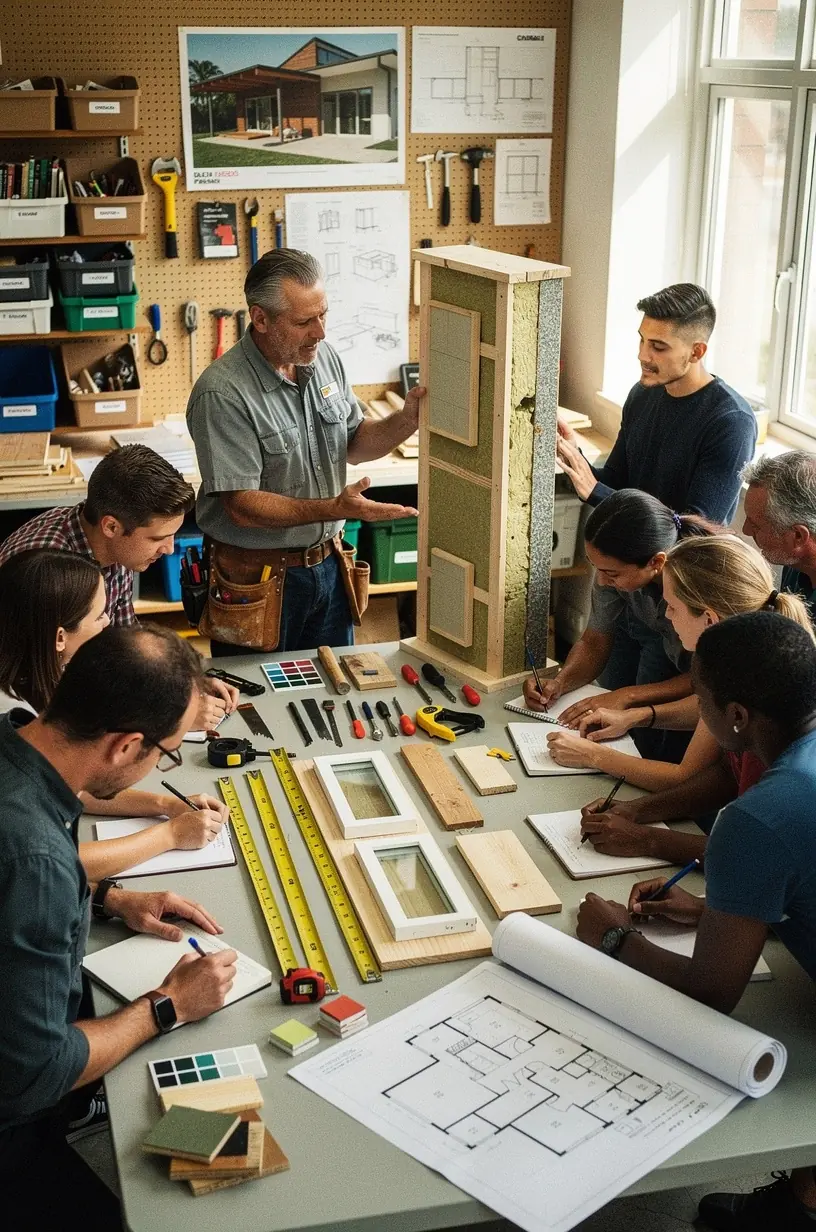
"Many experts recommend a holistic approach to retrofitting, which considers all aspects of a home’s energy usage."
Key Strategies for Retrofits
1. Improving Insulation
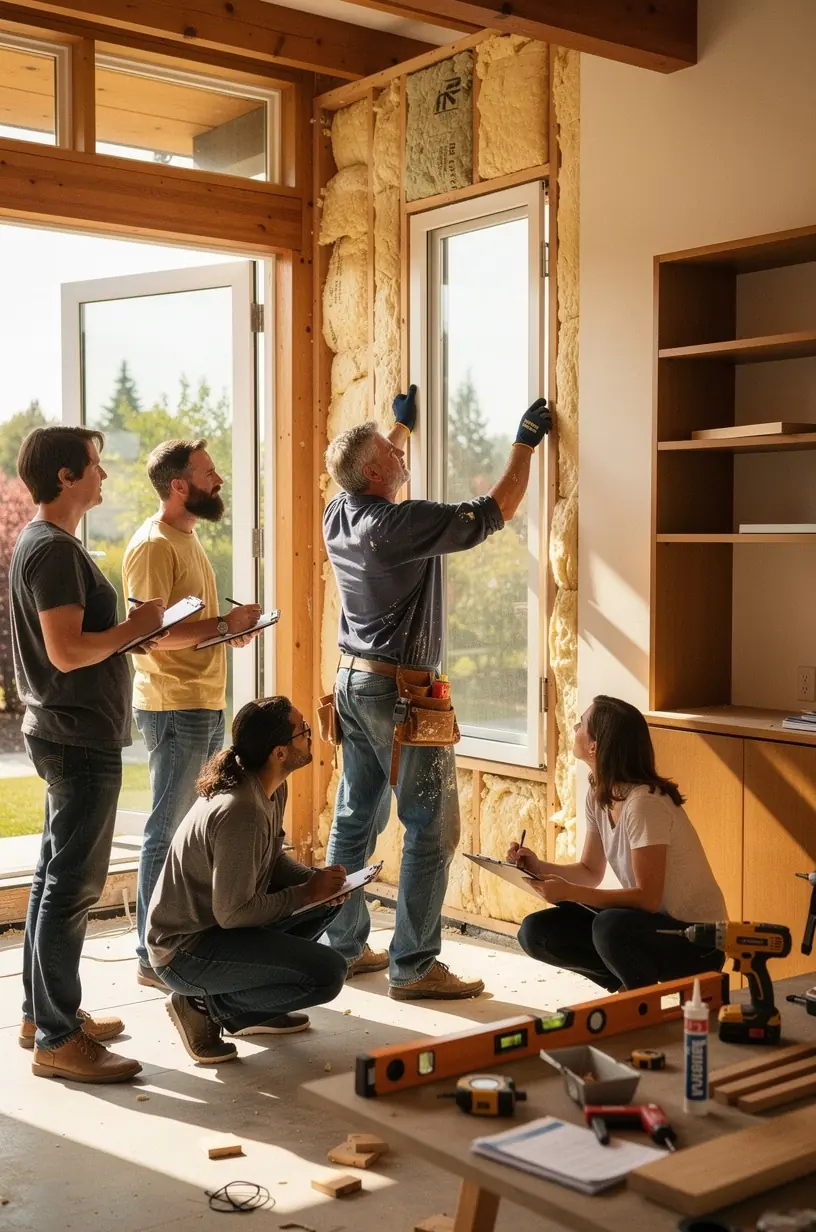
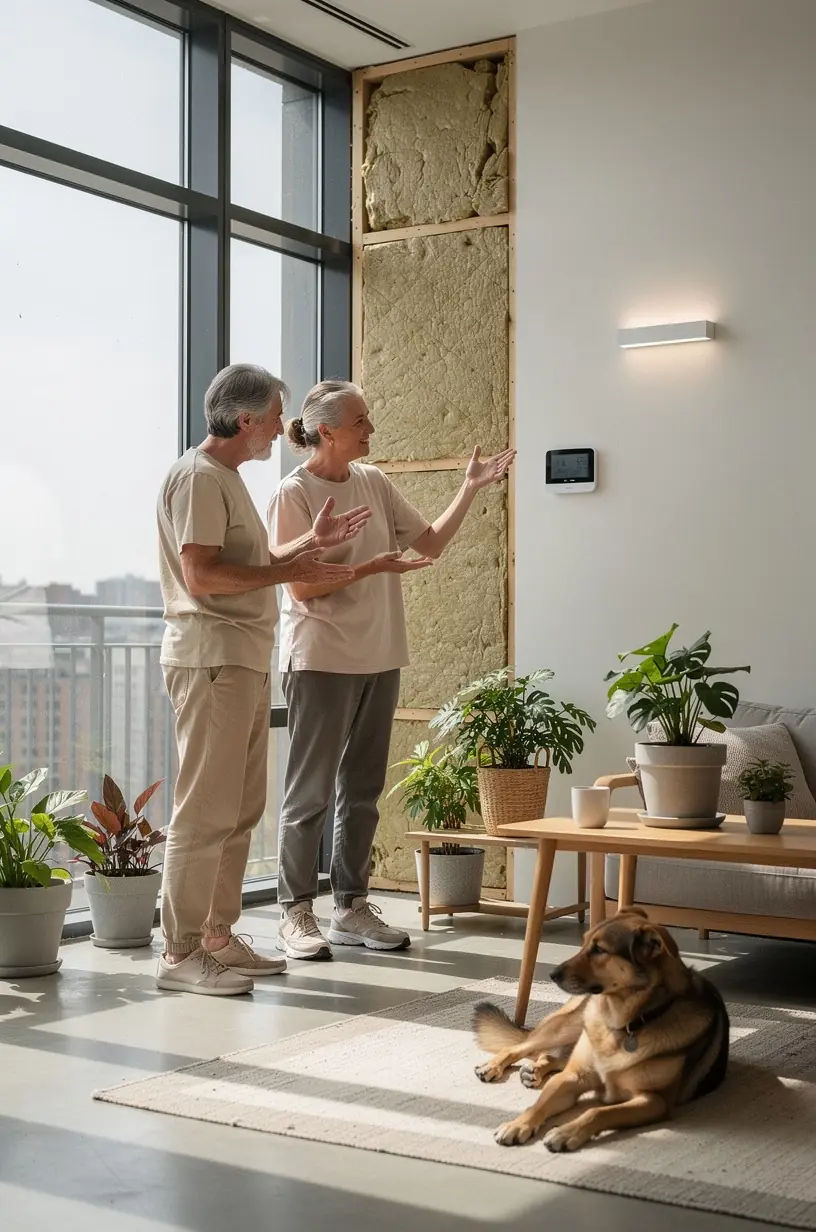
Upgrading insulation is often one of the most impactful changes you can make. Research indicates that homes with adequate insulation can maintain a consistent indoor temperature, reducing the demand on heating and cooling systems. Typical insulation materials include fiberglass, cellulose, and spray foam.
2. Upgrading Windows
Older windows are a common source of heat loss. Installing double or triple-glazed windows can significantly improve thermal performance. Experts suggest that low-emissivity (Low-E) coatings can reflect heat back into living spaces, enhancing comfort without compromising style.
3. Optimizing HVAC Systems
Many mid-century homes feature outdated heating and cooling systems. Opting for Energy Star-rated systems, along with regular maintenance, can lead to substantial energy savings. It’s advisable to consult with an HVAC professional to assess the most suitable options for your home.
4. Utilizing Renewable Energy Sources
Integrating renewable energy solutions, such as solar panels, can make a significant impact on overall energy efficiency. Though the initial setup may require time and effort, many users report long-term benefits, including reduced energy bills and a lower carbon footprint.
Practical Steps for Implementation
- Conduct an energy audit to identify areas needing improvement.
- Set a timeline for each retrofit project, understanding that some may take several weeks to complete.
- Collaborate with professionals to ensure proper installation and adherence to local building codes.
Conclusion
Enhancing energy efficiency in mid-century modern homes is a rewarding endeavor that contributes not only to personal comfort but also to environmental sustainability. While the process requires planning and effort, the long-term benefits can lead to more sustainable living spaces that honor the architectural integrity of these beloved homes. By prioritizing education and realistic expectations, homeowners and professionals alike can make informed decisions that foster a greener future.